In my opinion Engine DJ is a perfect DJ OS.
However i do wish that Engine DJ would replace the Flex Gate FX with a Trans FX because it dose not feel the same.
Also if they did add a Trans FX then that would make DJing on Engine DJ more creative. And it would mean more creative transitions.
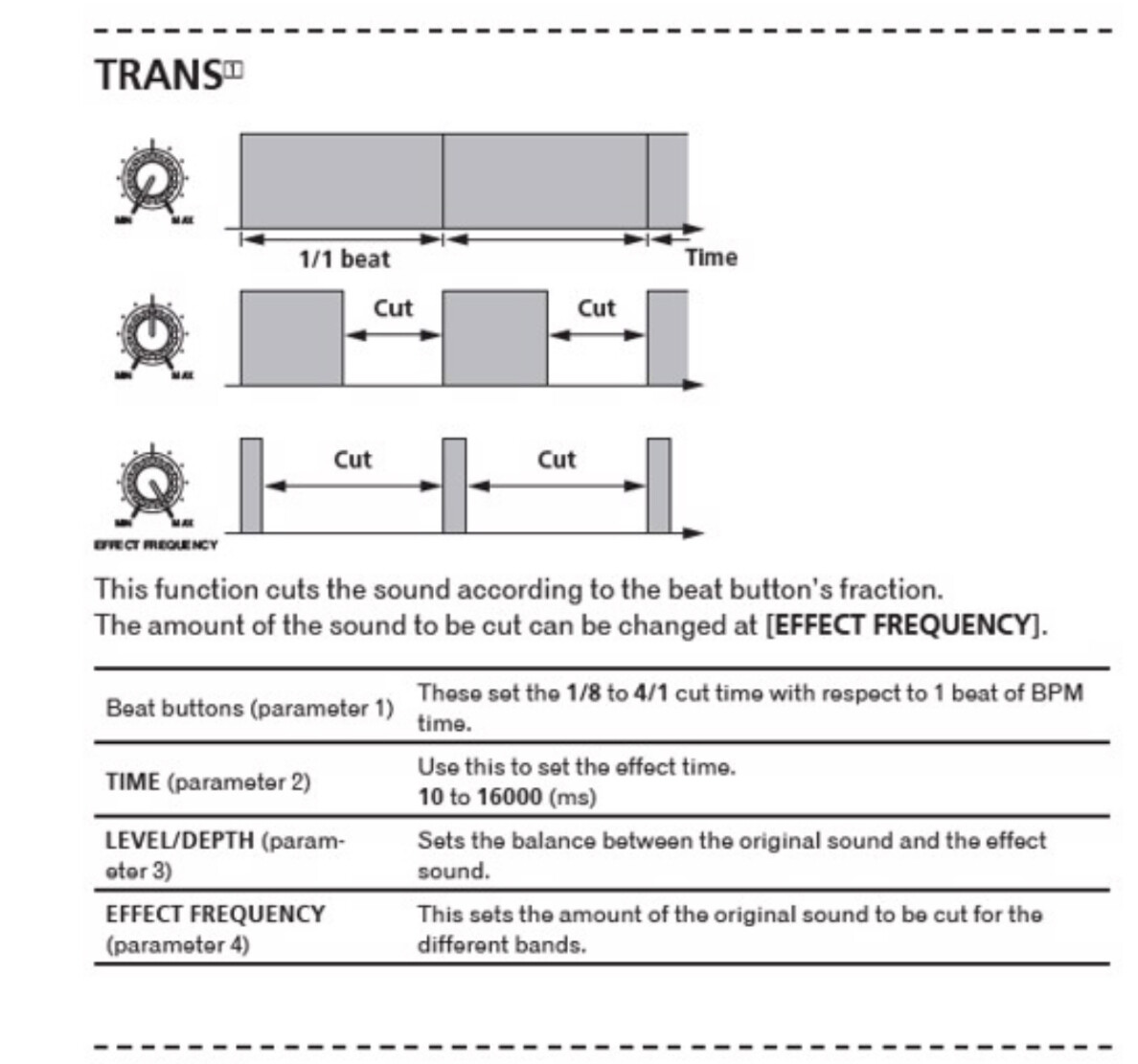
Trans is short for ‘transform’, a scratch technique used to cut up longer sounds and create silences in that sound. The trans effect automates that process and is a creative effect to mix with.
Most DJ controllers that are made from Pioneer have this FX and I would love to see it in Engine DJ
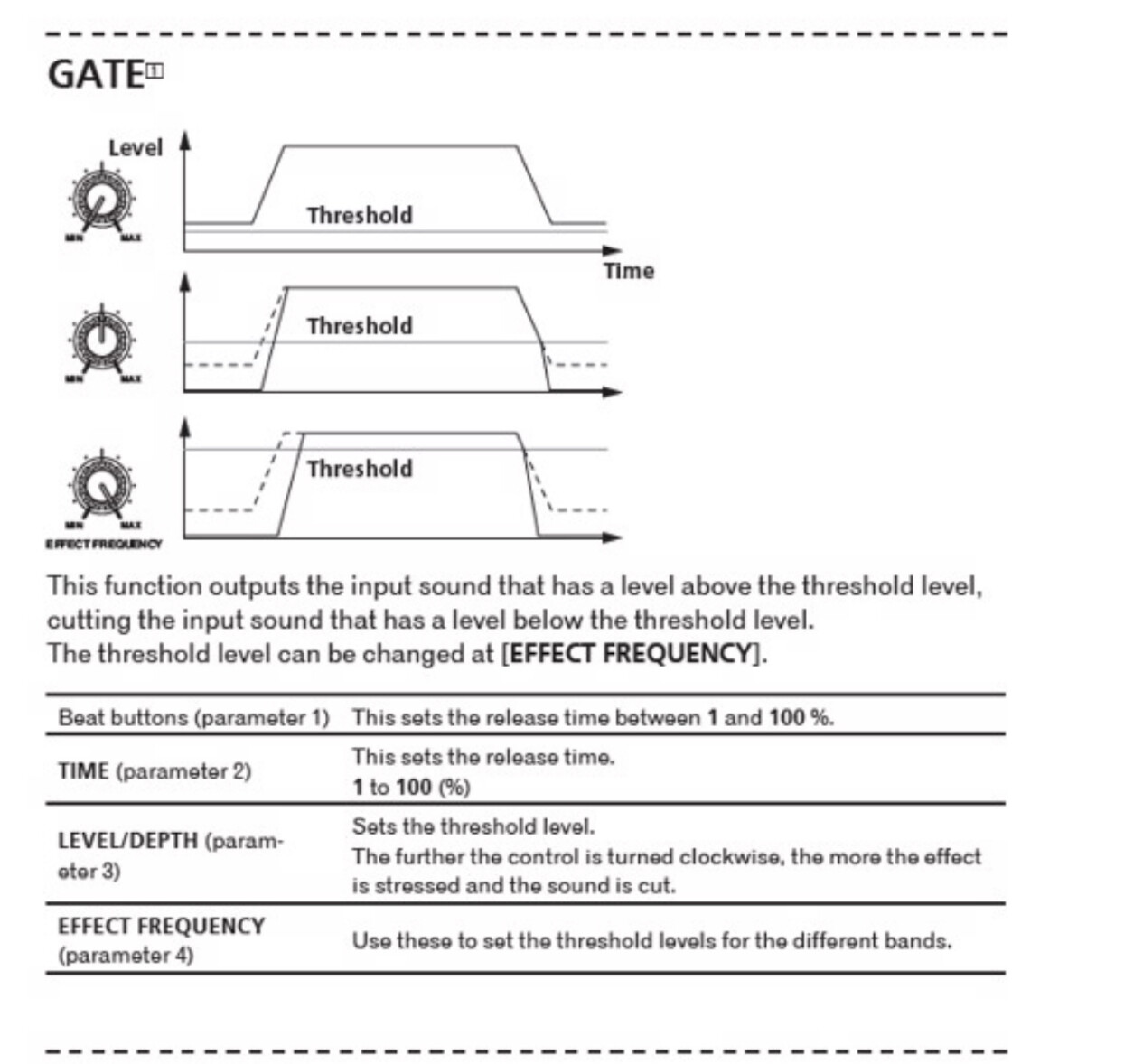
Ok, so I’ve just had a play around in Engine OS. Flex gate seems to do exactly the same job as Trans does on Pioneer gear. Set the mode to ‘straight’ and the wet/dry to full and it will do that exact effect. The touch screen filter gate will also do it when you touch the middle of the screen (no filter).
So besides just having an effect that’s called the same thing as Pioneer gear, I’m not sure what the reason would be for adding it? What specifically feels different about it?
Control what? I don’t understand. You can set the time signature, the depth of the effect etc, then you can run it in time with a looped sample as per that video.
Ok I tried the flex gate FX and I also have tried the Trans FX on rekordbox DJ and there is a difference. The flex gate can’t make that cutting sound as clear and smooth as the Trans FX.
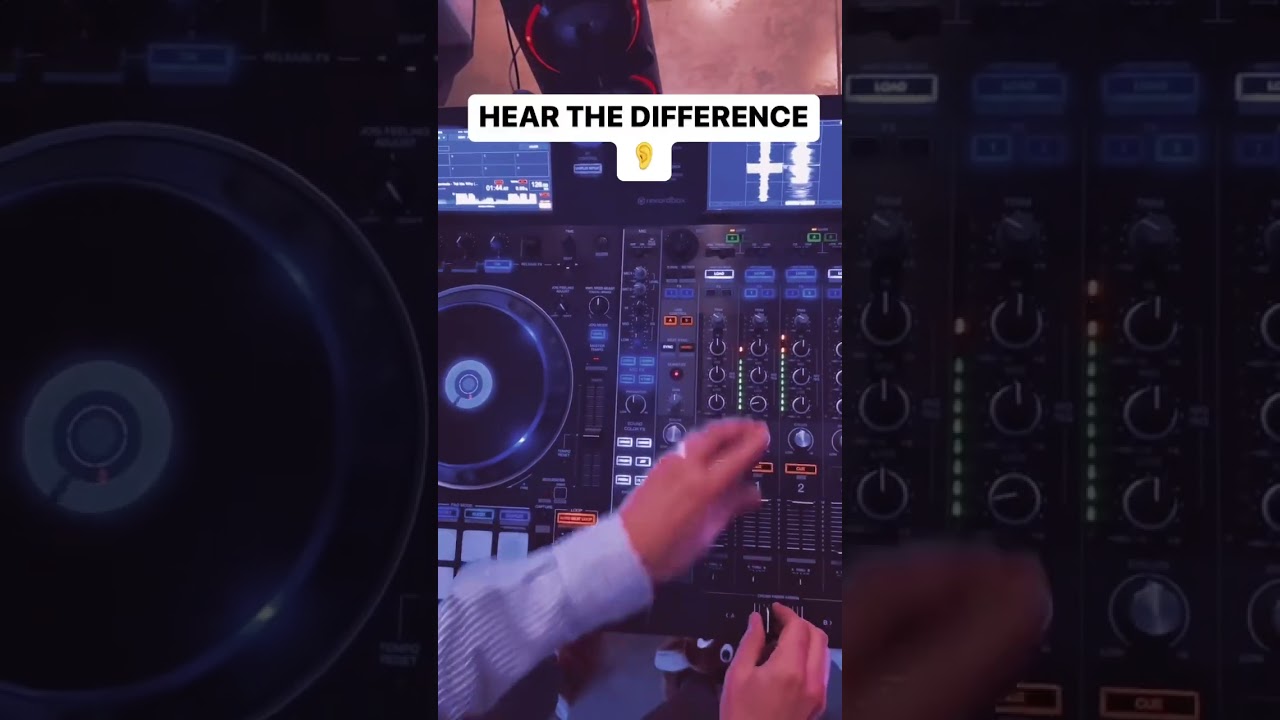
Perhaps a comparison video showing both, so the Devs can take it away and look at improving it. If they can hear the difference in a direct comparison they can then look at taking action.
One difference that I notice, is that not only the time divisions can be configured with the Pioneer trans effect, but also the length of the individual slices. This is not possible with the flex gate. So, that’s one difference.
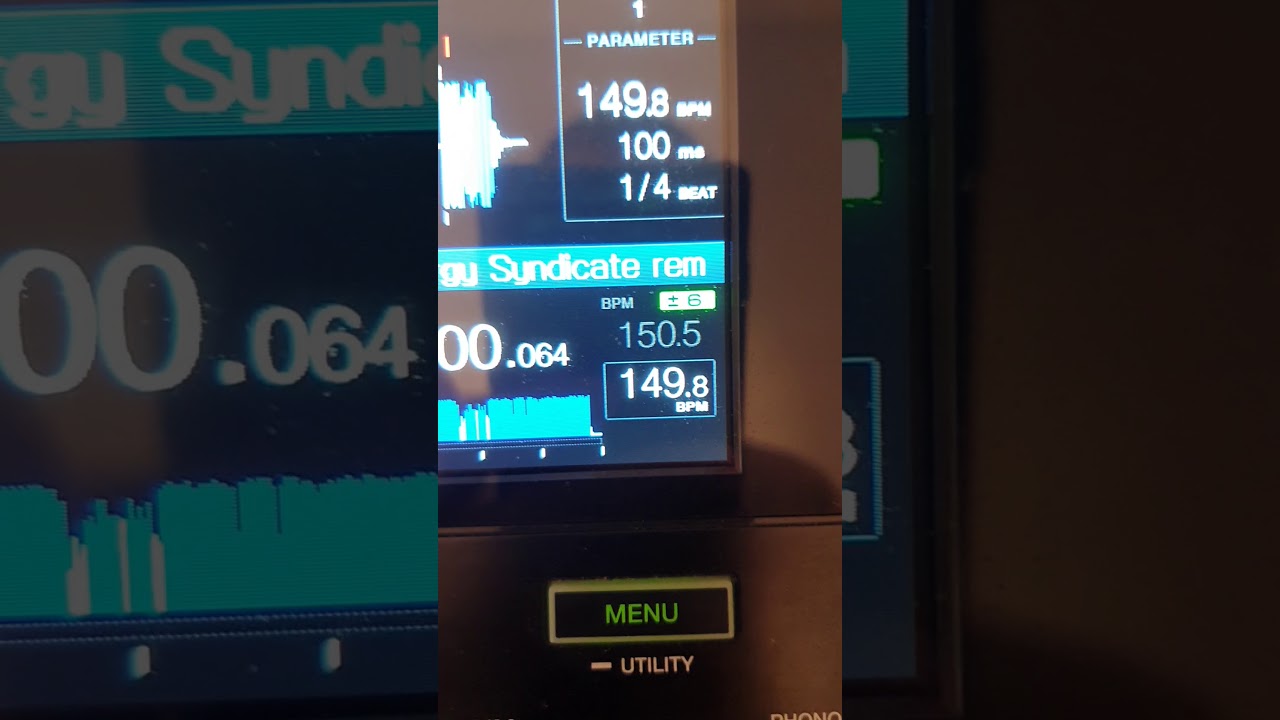
However, I don’t think this the issue here. The effect units on the Prime 4 will time sync with the lead track. Suppose 2 tracks are synced. Channel 1 is the lead. Send track 2 to the flex gate, and it will sound as expected because the tempo of track 2 is the same as the lead track. Now, change the pitch of track 1, or nudge it. Even when its fader is down, the sound of track 2 will still be affected because the flex gate will keep sync with the non-audible lead track. I’m not sure how this works with Pioneer, but if effects aren’t synced with the track tempo metadata, it should re-sync according to the audio itself.
If you start scratching track 2, that will become the lead track. So, the effect still should be synced with that. However, with multiple channels this can become a bit more unpredictable.
I also found that activating slipmode is useful because the phase of the different tracks will stay alligned when you stop scratching. A perfect slice exactly from a first transient in a certain time division will sound different than a few ms before or after that.
justme2, of course our opinions regarding the effects are subjective and very personal. In my experience, the Denon effects are really awesome and they have virtually unlimited possibilities. Combining different effects is really fun and can lead to amazing results. There is a bit of a learning curve here. I would definitely recommend to invest some time in getting to know them better and learn about how to apply them in your style. Big chance that you will start to appreciate them at some point
Well, I’ve used both, and since the engine has more configuration options, it seems that it took me longer to adapt too, but anyway, I’ve recorded a video with each of the two systems and everyone can draw their own conclusions. I don’t really see that much of a difference, but anyway, let’s see what you think for those of you who don’t know Pioneer.
I don’t think anyone is disputing that the software effects sound different. Maybe it comes down to Pioneers hardware Trans effect being far more advanced than Engines. You can’t use the faders, platters or BPM slider to manipulate the effect in Engine. Turning a knob just isn’t the same thing.