It was an honest suggestion, why do you need to be staring at LED lights for any length of time, DJing is primarily an audio pastime not a visual.
And flickering is inherently linked to LED technology, you desperately trying to find some niche use case to prove me wrong doesn’t change the fact that the vast majority of LED (and any other) type of light will flicker when in use.
Nothing about my post was ‘uneducated’, you’re just being your usual argumentative self like you are with pretty much every other comment you make on the forum.
Well, I agree we should be looking less at the screen (all though hardware makers are making this more and more difficult), but as I said, pheriphal vision pick up flicker more easily than the centre of your retina. So not directly looking at the screen actually aggravates fatigue…
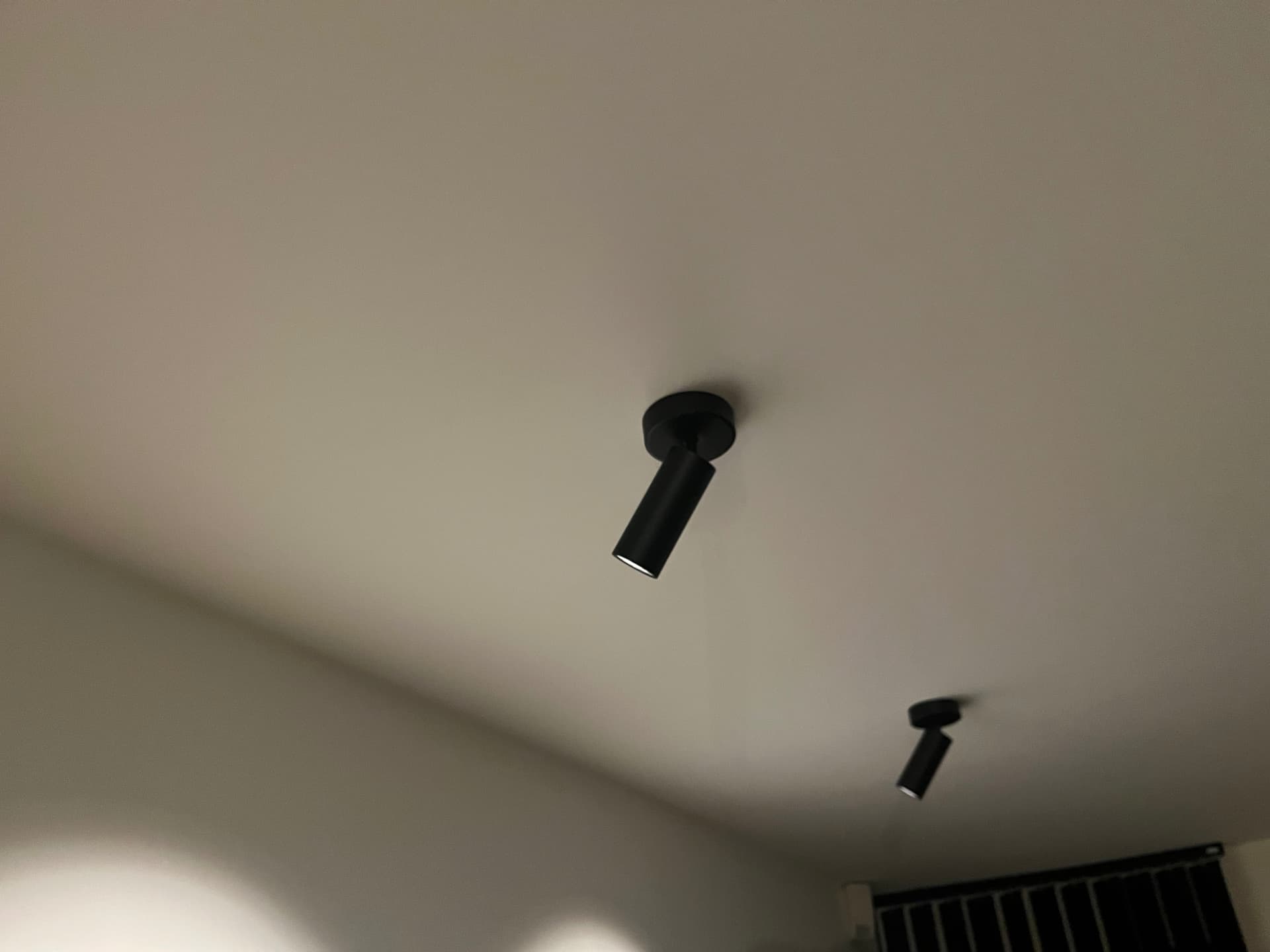
The LED lights in the ceiling of my house are definitly no niche use case. These are Deltalight fixtures, driven by constant current dimmable drivers, and I guarantee you they don’t flicker. As do all the other big LED architectural lighting brands.
The Lidl LED strip my daughter has hanging around her bed, that one does flicker because of PWM dimming (and yes, I spot this in my pheriphal vision), as do some cheap Brico dimmable fixtures. But we hopefully both can agree that Deltalight or Lidl are the extremes of the “quality spectrum”.
So not all LED lights flicker. If they flicker it is because costs where cut. And admittedly, most electronics drive their leds using multiplexing, so it is pretty common to cut the cost of a constant current power supply or buffers. You could augment the update frequency to combat flicker (as happens in avionics), but that means more CPU cycles used for this, so a bigger CPU… Just don’t tell people it cant be done without flicker! It can! But a SC6000 would cost 100 euro more…
My original point was that it’s largely irrelevant in the grand scheme of things where DJ gear is concerned, so perhaps the reason they don’t install drivers in the units is because it doesn’t serve any practical purpose to the function of the unit. You can’t see it flickering with your eyes and it has no impact on the ability to use it.
Who the hell is installing ‘architectural lighting’ in their house? Literally a tiny minority of people are doing that. Of course you would have to be wouldn’t you, who knew
Same issue with normal lighting. We’ve replaced an old light fixture with an IKEA leds fixture. Not high quality by any means, but our dimmers needed replacing as well. Different way of delivering power of course. Otherwise flickering.
On a DJ note: The most annoying flickering in pheripheral vision is on my X1850. The large FX on/off button.
I am working in research and development lab of the company that builds stage light equipment from led pars to moving heads. You are very wrong. PWM drive for leds is the golden standard in stage lighting.
Anyway, who knew a conversation about LED lights would stoke up so much argument
It’s amazing how far they have come since we were soldering them into PCBs at school in the 90s. Who knew they would be powering car headlights and football stadium floodlights back then.
One way to prevent the strobing on camera is have the exposure of each frame long enough, but there is other gear that never flickers. If you mess around with shutter and/or framerate, you can usually see which ones are doing it and which ones don’t. Some don’t flicker ever on camera. I don’t care really about the on camera visual effect, but rather the fatigue and (probably mostly only temporary) health effects. I would not be surprised if most of the most successful DJ front end gear’s LEDs do not use this multiplexing.
Well yes, now you bring that up In the user interface of a DJ device it’s about flicker in your pheriphal vision. With stage lighting it’s about audio quality as well. Last year I had to switch off 3 LED-curtains because the PWM dimming created RF that was picked up by the guitars… You can’t call that a good design, can you? But of course, most stage lighting is bought by hobbyists, and price matters…
Which gear though? You can clearly see the V10 in liquids YouTube videos flickering, that’s Pioneer/Alpha’s flagship player.
As far as I’m aware, you’re a big advocate of manual mixing and not being a slave to the screen, so based on that, if I was you personally I just wouldn’t worry about it as you’re not really drawing your attention to them anyway, plus let’s be honest none of them are really that bright so the output isn’t going to be high enough to cause too much issue. You can also mitigate it by illuminating the room to balance it out.
@Johan even then, those aren’t a common light fixing in the vast majority of properties and business, even the more expensive houses here in the uk will just use standard LED bulbs with Bayonet or Edison fittings, whether in a ceiling or a lamp. Some higher end properties will have GU10 spots in the kitchen and bathroom.
Cheap led drivers will resonate, easiest fix is to pour some silicone over the coils on the driver pcb. Better would be, if your driver can boost the frequency to go out of audible spectrum.
Higher end LED lighting has moved away from GU10 for a long time already. Biggest reason for this is led drivers dont play nice with 220V dimmers. A much better way is to control your driver with a signal, like 0-10V or DALI, but the GU10 sockets doesn’t allow this… And yes, this is expensive lighting, mostly used together with home automation systems…
Oh, that wasn’t the problem. But guitar pickups are notorious for picking up parts of the radio spectrum. And PWM drivers are notorious for creating radio spectrum. Bad combo, and PWM is the newcomer here…
I was referring to the level of property not the level of lighting. At least here in the UK even houses in the £500,000 to £1,000,000 bracket will have a set of standard GU10 spots in kitchen, bathrooms and outdoor wall lights with standard fitments in other rooms. Occasionally they may have a chandelier installed in double height space.
There may be some ultra expensive higher end lighting installed over here, but that is far more likely to be in one off developments, or ‘grand design’ style houses that are a different level altogether.
Nope, that is not the case. Guitar pickups will not pickup that if the driver has filters (EU requirements). So that must’ve been a very cheap aliexpress light… or very old one.
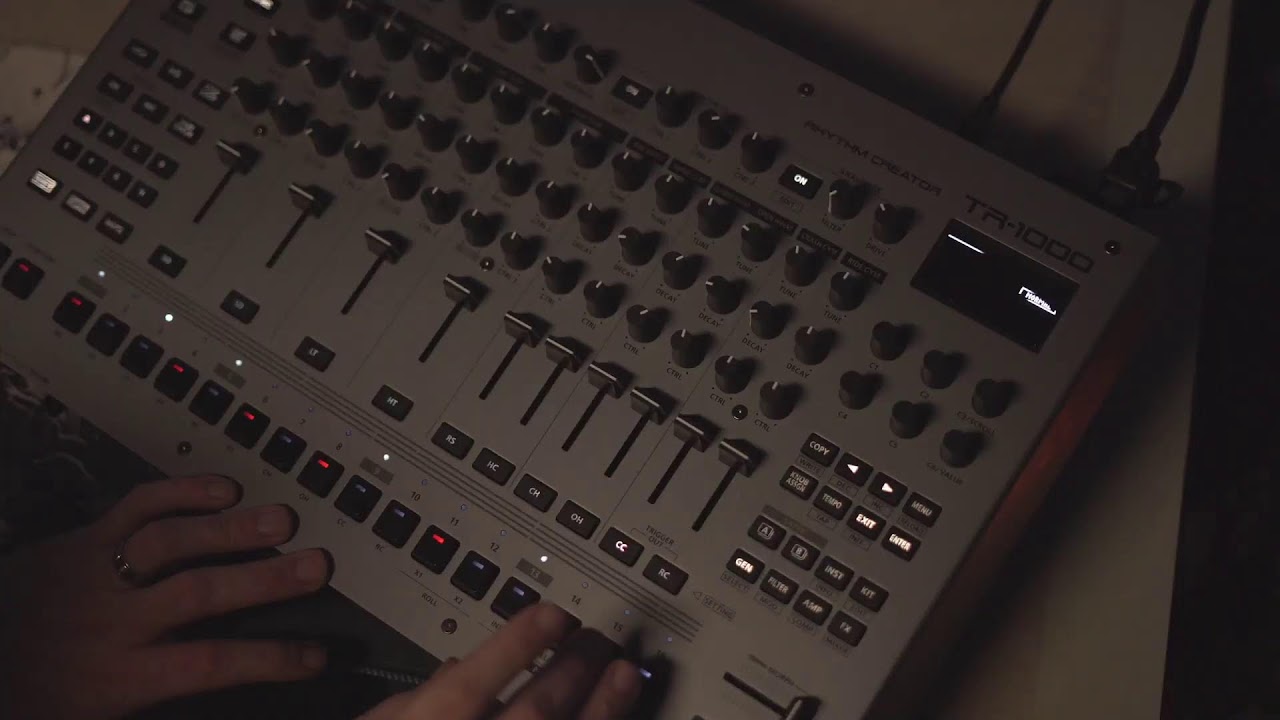
So to add to the led camera flicker, have a look at the latest TR-1000 display flickering in the camera. It looks like refresh rate on this display is about 30-50 Hz
It’s not a PWM dimming, it’s dynamic (multiplexing) indication. Indicator LEDs connected to the MCU with the matrix scheme, which require less MCU pins. For example, you can drive 64 LEDs with 16 MCU pins. If you want a non-flicker static indication, you have to drive each led with dedicated MCU pin (which is expensive). Comparing indication with lighting is dumb. Totally different hardware solution.
Thing to note here is that the LCD is flickering, while the button LEDs are not… could be that the button LEDs are connected to a shift register, and the LCD, which is ordered as a whole part, does multiplexing. That, or the refresh rate of the buttons happens to be synchronised to (or a multiple of) the camera…
@Bobius_Yo yes, PWM dimming and multiplexing are two different things, for 2 different applications, but have in common that they both cause flicker, and in both cases, flicker can be solved with more complex circuitry…
There is another solution to avoid using separate MCU pins, that does not flicker: a shift register. But that requires and extra IC, meaning added cost. There are even ICs meant for driving a bunch of LEDs, combining a constant current driver with said shift register: https://www.ti.com/product/TLC5925
And when you want to dim an LED (which Prime hardware invariably does), a dimming technique like PWM or constant current driving comes into play, on top of the multiplexing or shift register thing… cheapest option here will be to combine PWM into multiplexing…
I know why it flickers. And I can tell you that the situation here is the opposite. The display is driven directly from the microcontroller, the buttons are on the shift register. In this kind of applications (dj gear / studio gear) it common to find 74HCxxx chips driving the leds. Their refresh rate will depend on the clock sent by the mcu.


 In the user interface of a DJ device it’s about flicker in your pheriphal vision. With stage lighting it’s about audio quality as well. Last year I had to switch off 3 LED-curtains because the PWM dimming created RF that was picked up by the guitars… You can’t call that a good design, can you? But of course, most stage lighting is bought by hobbyists, and price matters…