Moin @STU-C,
AUDI —> do you mean “United Turntables” ( four combined rings; the AUDI Logo).
It’s a joke, lol
Enjoy the day
Brgds BeatMaster
Moin @STU-C,
AUDI —> do you mean “United Turntables” ( four combined rings; the AUDI Logo).
It’s a joke, lol
Enjoy the day
Brgds BeatMaster
Fluorescent strip lights cause a similar effect and I know some people who get headaches from prolonged stays within the vicinity.
50Hz flickering can be headache inducing for some, even if you can’t usually see it.
One thing that drives me absolutely nuts is the DLP colour wheel projectors. If I scan my eyes across the output of one I see the colours broken down and it’s awful on the eye. Not everyone gets that but I do. It makes watching sports unpleasant in bars etc.
EDIT: I found the link. It’s called “the rainbow effect”.
I’m far from being a fan of AT products as everyone knows, but you can clearly see how much flicker is present on Denon compared to AT in TheDJLab’s comparison video.
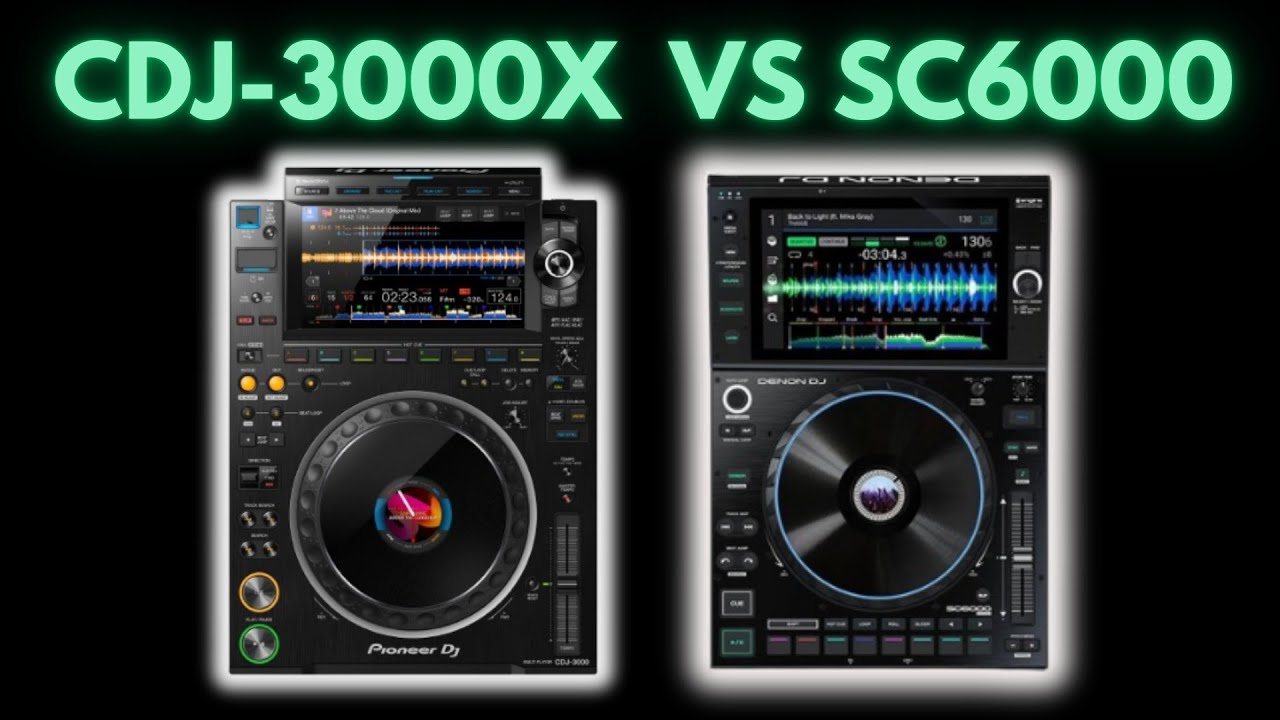
But that could simply mean the Denon deck is flickering at the same rate as his camera FPS, whereas the CDJ isnt… if he changed his shutter speed to match the LEDs on the CDJ the situation would be reversed.
If you pinch to zoom and look at the SC6000 LEDs then you can see the LED colours changing behind the pads etc.
I could be wrong on this but I’m sure at the back of my mind I have the recollection that it uses alternating colours quickly to get colour mixing by pulsing one colour then another fast enough for the eye to see a different colour.
Was I dreaming this or is this how it works? I’m almost sure I’ve seen this somewhere many years ago.
The leds on any dj gear are driven by a multiplexer chip - it refreshes the lines of led matrix one by one, and repeats the cycle. There could be 3 multiplexers (each for RGB) or one that can handle all leds, but also will trigger matrix row refresh after the previous one was completed, so the colors can appear alternating when you are very close to sync the shutter with the multiplexer refresh rate.
I doubt it will make any difference. On most of my other gear, including the Pioneers, if I adjust the exposure length (shutter speed), it seems to make no difference. Ditto with the HZ framerate that I can switch where I have like 15, 24, around 30, and like 60 to choose from.
NoiseRiser is using the term “multiplexer”. That might be the term an electronics engineer used when he referred to it upon seeing what the LEDs were doing on the Denons over the internet. He seemed to think that not all electronics did whatever the Denons were doing, and was sort of like, “I see your gear’s LEDs are blah blah blah”… whatever the term was he used. That might have been it. Then we had a brief conversation about it while I was streaming.
There are plenty of videos on the internet of people using Denon gear that doesn’t Flicker, including a good few people on here who regularly post content (I follow plenty of them), so it’s perfectly possible to set your gear up not to, just as much as it’s perfectly possible to set it up to make Pioneer/Alpha equipment seem like it’s flickering.
I’m not sure why this is even an argument? It’s been a well known fact for anything that contains LEDs for a long time. Those of us who take an interest in photography/videography as well as DJing all know about it and all know there are ways of stopping it.
Mojaxx and Phil at DDJT manage to avoid it when they create content.
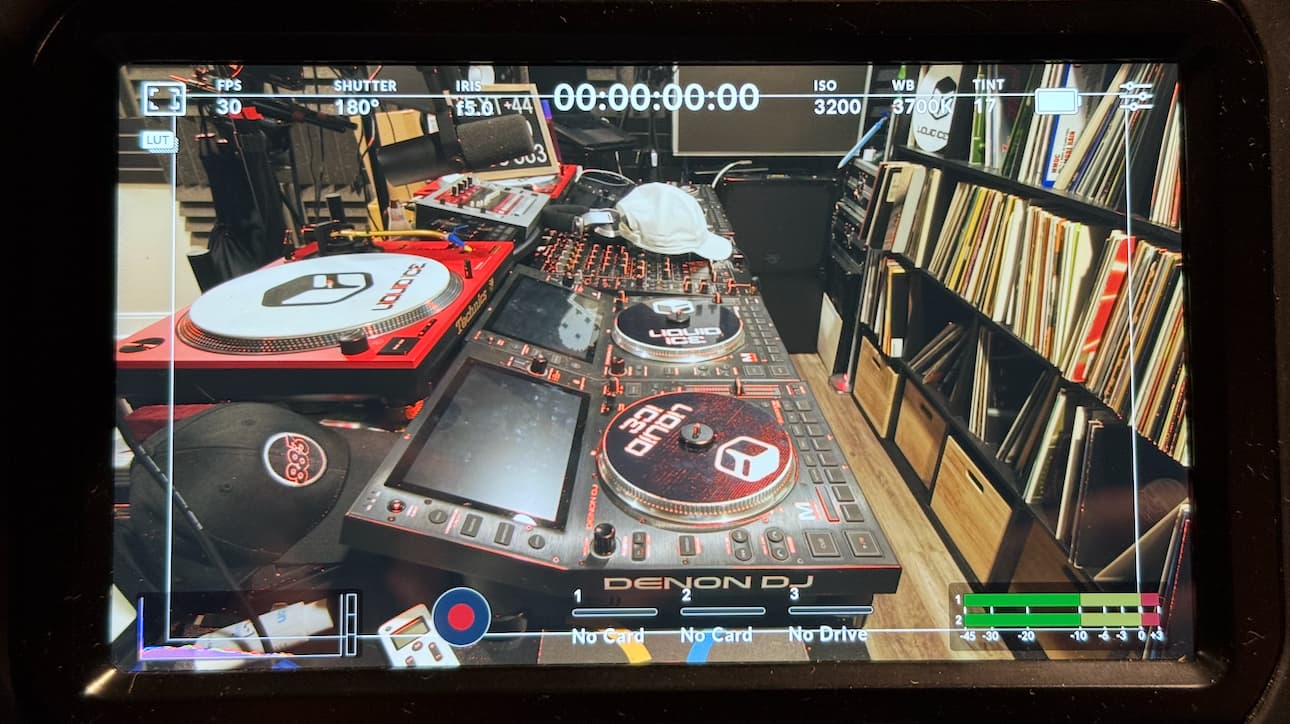
Here is our forums very own @djliquidice making content with the impact minimised, although the loop encoders are flickering quite a lot 
Agreed. It’s another microscopic, insignificant “what color should the underside of the carpet tiles be” non- discussion.
If you feed a led direct current it wont flicker… So your comparison to led lighting in general is kind of moot and uneducated…
Even when dimming a LED you don’t need PWM, you can also use a constant current power source where the current fed into the LED is limited/varied. This wont flicker. More expensive architectural LED dimmers are current limiting, not PWM!
but yes, if you want to dim a led through a contant voltage power source, you will need to PWM this power source, and then the frequency of those has to be high enough (bigger than 100 to 300Hz, depending on which study), because otherwise you pick up the flicker in your pheriphal vision (because there are more rods in the pheriphal part of your retina and more cones in the center of your retina). If you consider this theoretical, I myself notice (various) LEDs flickering in my pheriphal vision quite often… Even in the Human Performance course of a pilots license this is extensively covered… Apart from the impact on the human eye this is also less efficient, because when feeding a LED constant voltage, you will need a resistor in front of it, which dissipated a lot of unused heat… A constant current power source does not use a resistor in front of the LED!
So, any device that has flickering LEDs has cut costs somewhere, be it in their dimming circuit or how an array of leds is driven: On things like DJ hardware this is because the LEDs are wired directly to the microcontroller in a sort of array, multiplexing this is called, where the microcontroller “scans” all the LEDs. This results in a very fast running light, visible on camera….. A more expensive way is using some kind of buffer which keeps the current to the leds constant. Like this one: https://www.ti.com/product/TLC5925. This will not produce flickering… But of course, this is more expensive, and InMusic is just cutting costs like all other competitors out there. And honestly, even an airplane EFIS uses multiplexing, visible here: https://youtu.be/dU8k2gzsIF8. But I suspect the frequenty these leds are multiplexed is a tad higher than a DJ device. You dont want to be distracted by your instruments when flying through bad visibility in the dark, trying to land the airplane 
Nice to see you diving straight in with the insulting language as always  , some things never change.
I’m a loop slut.
And I’m here for it haha.
I notice on your YouTube vids that the buttons on the V10 are flashing much faster than the SC ones, but still flashing nonetheless. I guess you just have to pick a happy medium to try and minimise it across the board? Are you shooting at 60fps?
Are those Black Magic APS-C? The f5.0 gives enough depth of field and enough light input I guess?
I like 30fps, you don’t need to worry about needing 65tb of storage lol.
I think it’s relatively easy (for anyone with the desire, time and expertise) to use a simple logic analyzer to look at the timing for the LED strobe signal on any of these decks.
Like it’s been said, The flicker in video all relative to a bunch of things:
My custom LED screen suffers from this phenomenon:
It really ■■■■■■ me off, but I worked a lot to optimize what it’s doing and as I tell the kids, i tried my best, coach.
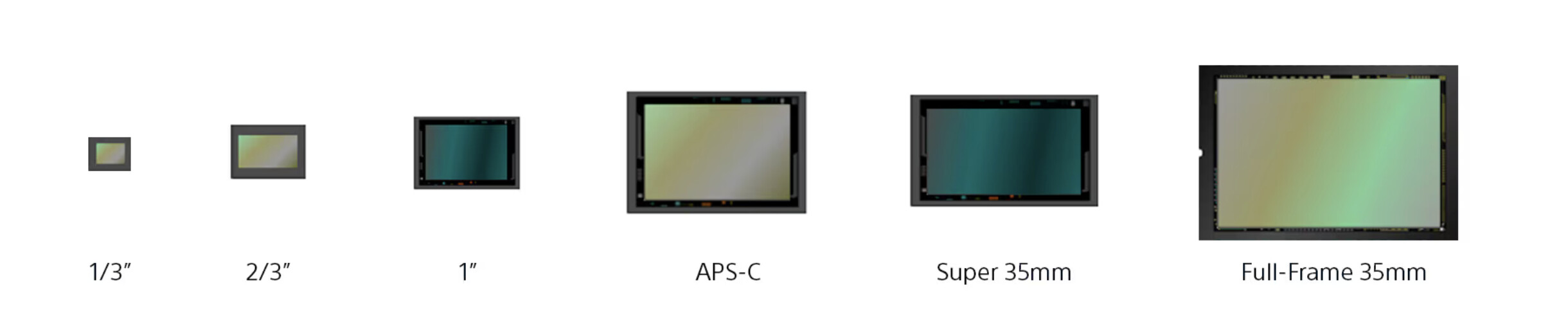
These are the O.G. Gen 1 Black Magic 6K cameras and they have a “Super 35” sensor. The file sizes are still rather large shooting in 6K BRAW, even at the highest compression rate (12:1). Something like >830GB per 3 hrs.
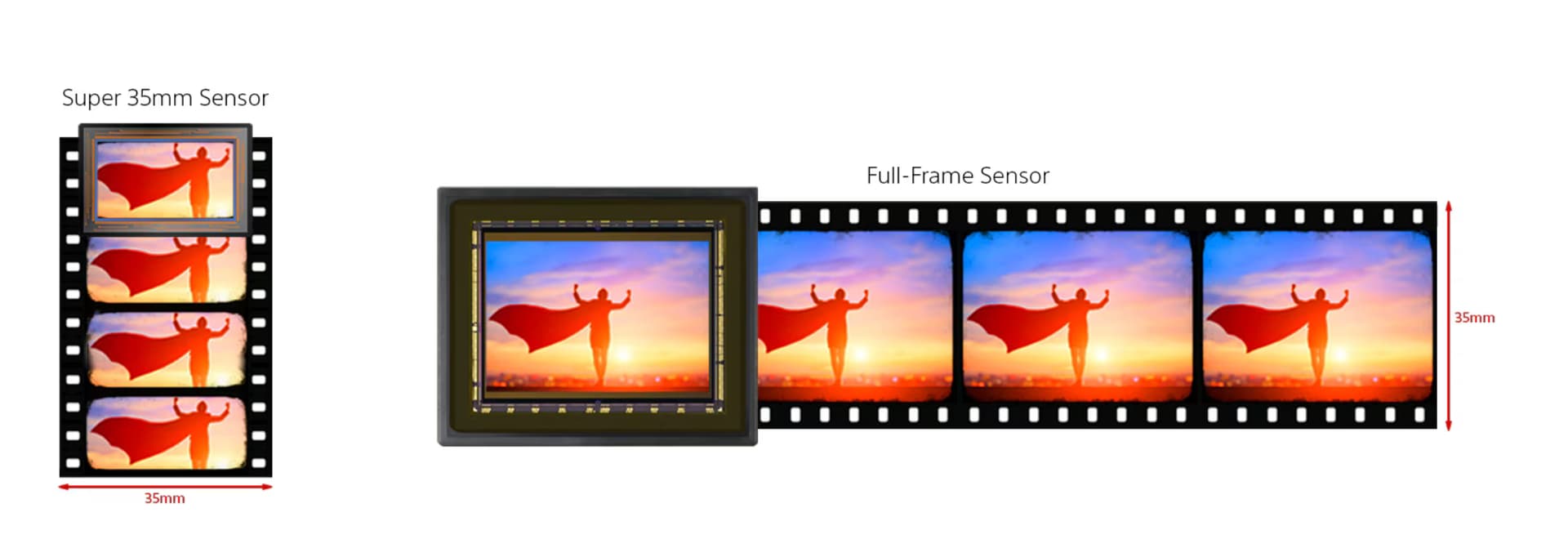
Sony does a great job of explaining sensor size in this page.
Ah yeah I’m familiar with the super 35 sensor size, popular in big budget films, it’s very similar to APS-C isn’t it. Those black magic cams are awesome.
That’s an insane amount of data isn’t it. Makes me laugh when people complain about record limits on normal cameras shooting 4K 120fps, they clearly haven’t thought about the amount of space it takes up.
Well, given you were kind of aggressively showing people of (as you often do), here implying them flickering is normal in inherently connected to LED technology, I think the term “uneducated” was the objectively correct term. It was not like I was telling people to look at the wall….