Good evening. I’ve noticed that when importing an XML file from Rekordbox and adding the playlists to my Engine collection, many tracks are imported with their Hot Cues and beat grids shifted. Furthermore, in some cases, the BPM values do not align with the Rekordbox analysis. This renders the library import feature absurd and useless. Best regards.
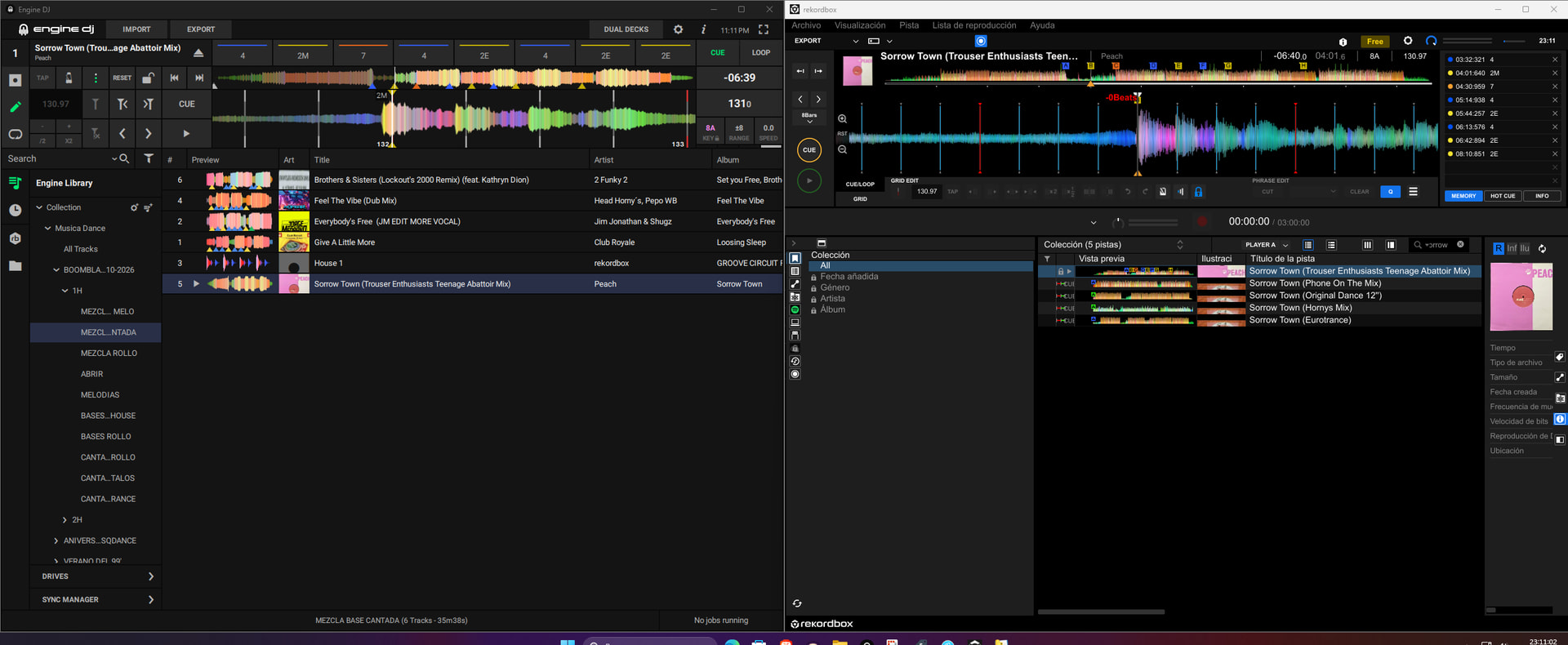
It’s not really absurd and useless though is it, Rekordbox is one of many software, the others are largely fine with the import.
The reality is that if you have something that doesn’t work well, it’s useless. The other import systems I don’t know how they will work but I imagine the same because I think it’s an Engine analysis problem, it’s always been happening.
Have you tried using the free version of Lexicon to transfer your library across?
-
Try with a brand new file.
-
A file that has never been used in Engine or Rekordbox
-
Make mp3, flac and wav of the file.
-
Add to Rekordbox first.
-
Analyze etc
-
Then reimport new track to engine
-
Report your findings
Yes, and the same thing happens, Engine’s analysis accuracy is terrible, I’ve had this problem for years
Engine DJ should keep BPM, markers and waveform transferred from another collection, I think the problem comes with generating the Waveform Engine.
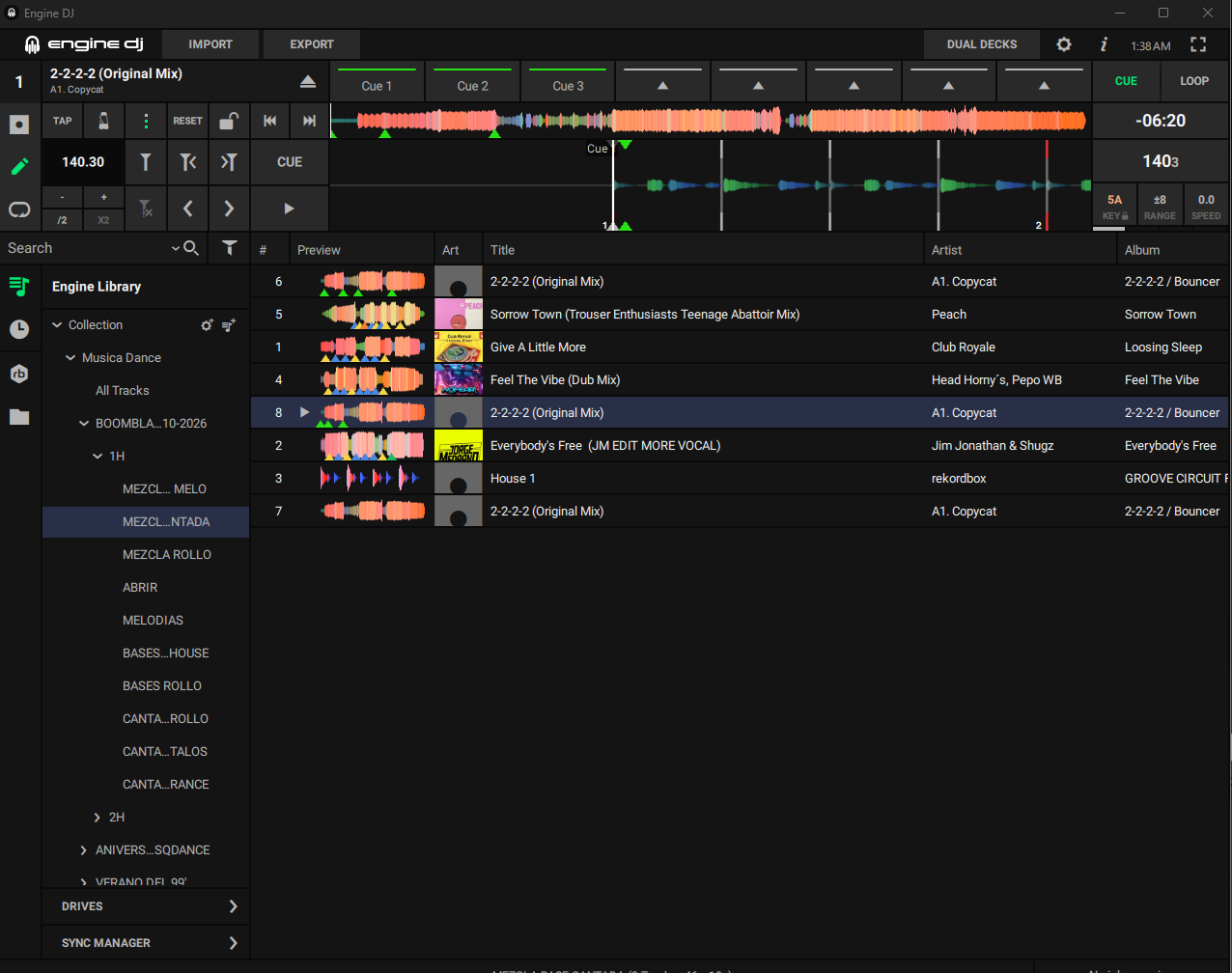
After following your instructions, the first thing I noticed is that, upon importing the Rekordbox library into Engine, the WAV file generated a waveform, whereas the MP3 and FLAC files did not—though the cues, grid, and BPM remained correct. When the FLAC file is loaded, it re-analyzes and processes correctly, preserving the cue, grid, and BPM. For the MP3 file, the grid and cues are shifted, though the BPM is correct. I hope this helps.
If I re-analyze the MP3 file manually, the grid is placed correctly, but the BPM value changes to 140.30; when it was imported from Rekordbox, it maintained the original BPM of 140.28. The cues remain in the wrong positions.
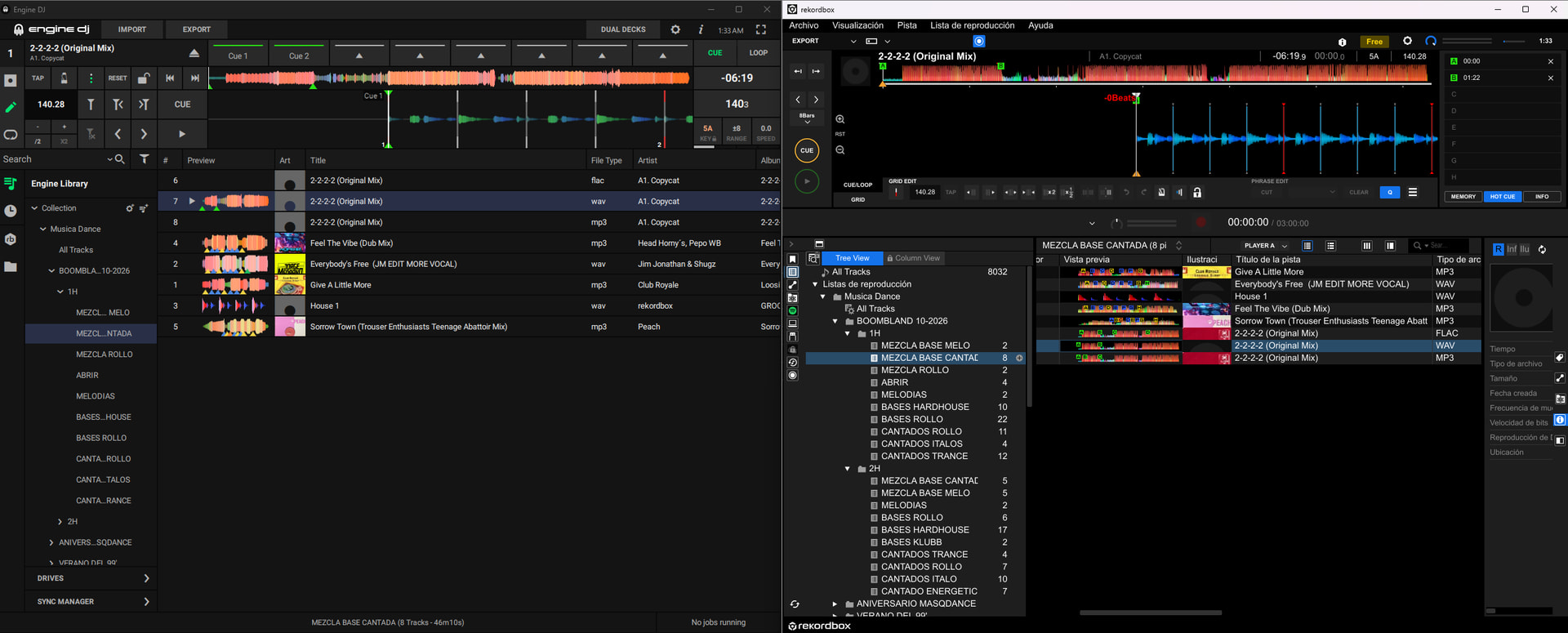
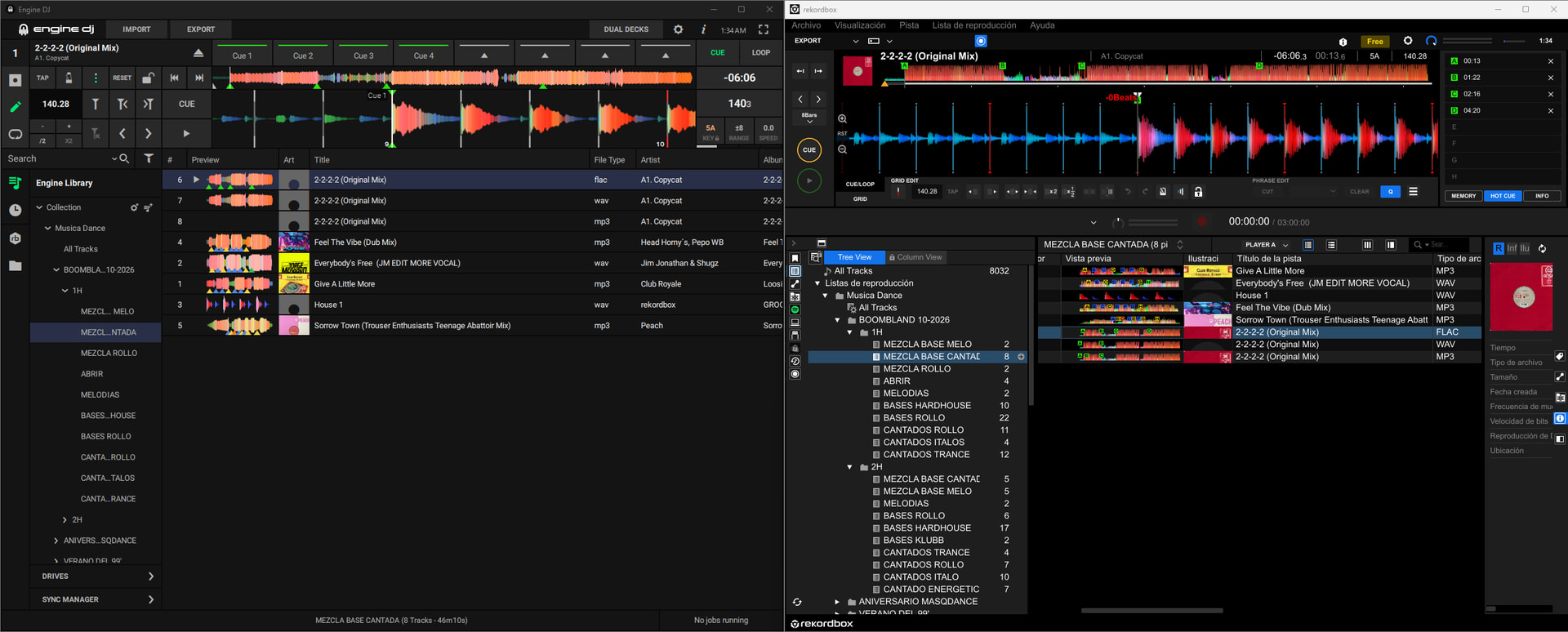
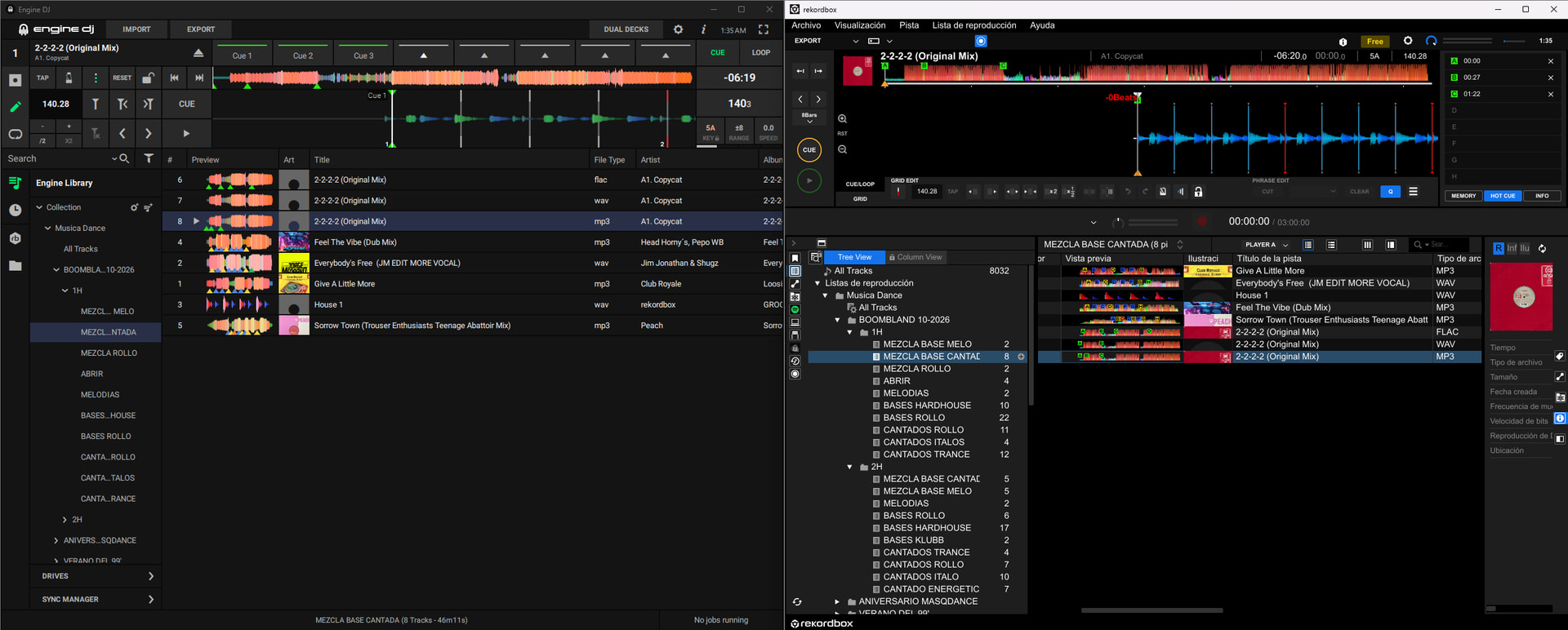
Here is an explanation by the oracle. It’s a 10minutes video.

My understanding is that Compressed files eg MP3 can experience grid shifts between different playback software following conversion due to each dj software using different different decoders to process compressed files
Totally Incorrect grids can happen as a result of rounding off eg software a reports a track as 130 when it’s actually 130.01 or 129.99 if software B accepts the track as 130 whole then further along the track the grid may start losing its correct place in Software B.
Some softwares use similar decoders I believe Engjne DJ & Serato DJ does hence less likely shifts.
All the commercial third party solutions eg Lexicon DJ, Engine conversion utility etc had this issue initially. Not as much because they added anti-shift solutions over the years.
If you would like to test further for science- you can convert test tracks from Serato (free to download) and Traktor ( not sure if you need a license)
Tip
What I do after importing a track (Serato dj  Lexicon DJ engine dj)
- I have Engine DJ auto analysis disabled
- I sort my Engine DJ library by date added
- I select the new tracks only
- I do a reimport information to bring in the waveform overview and artwork (for some reason I don’t get artwork when I transfer to engine)
- I then select all the new tracks and run a complete reanalysis (not the regular analysis)
Serato DJ is my Source of Truth
If it seems that the problem is going there, they could investigate the people of the Engine team and solve it, it does not make sense that there is a tool to import from other collections and the import is not correct.
I remember Christiaan the developer Lexicon will request users to send in files that experienced shifts.
You have to make a solution for several decoders/reencoders. It looked like lot of work, going by the timeline of other apps when fixing it. Times are different now with AI power.
Consider starting a feature request if its a priority for you.