This is going around Instagram !

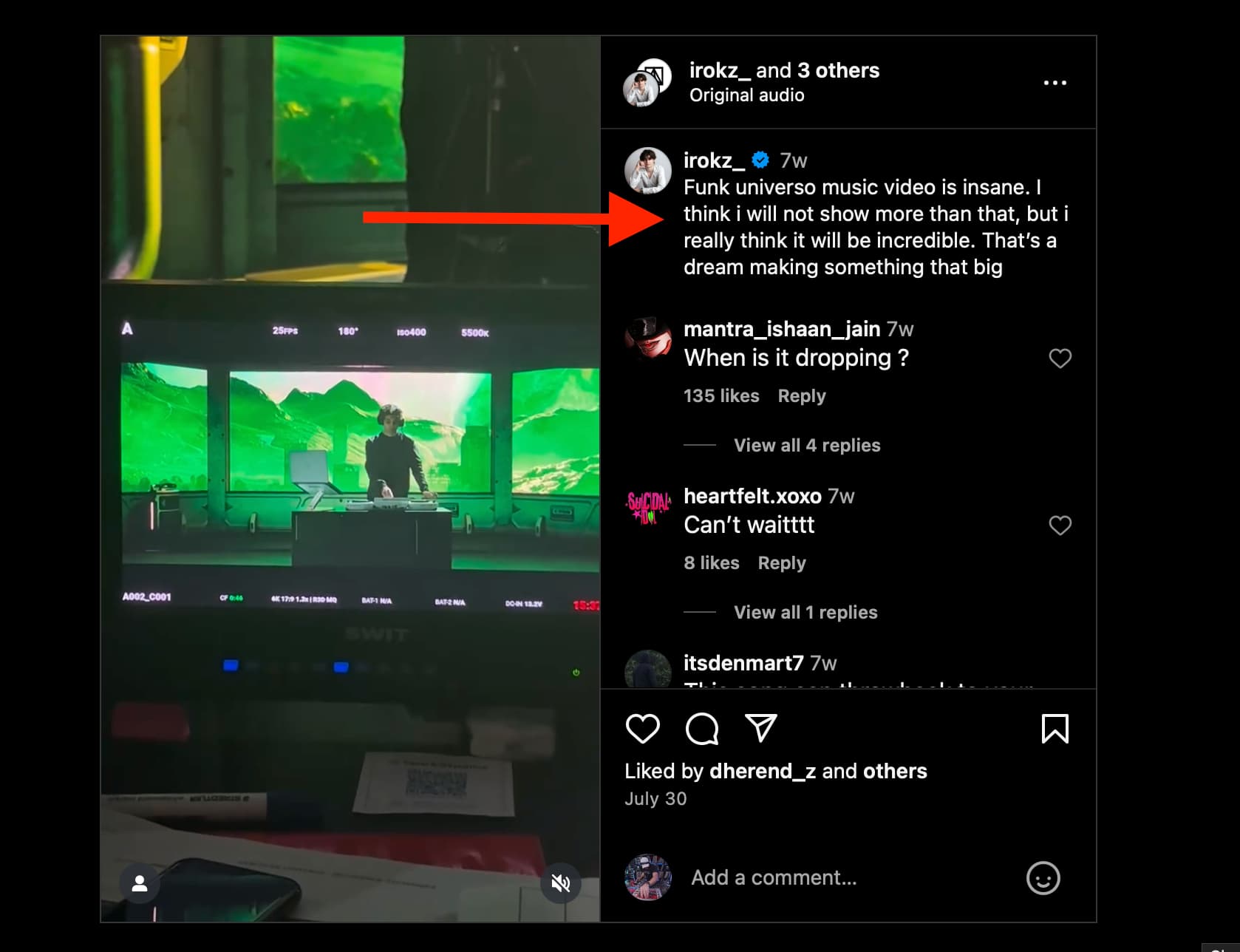
A video from July 2024 (more than a year ago)!
I’m watching Jamie Oliver on TV, does that count?
I went to listen to the song in the video in question! Oh my god, it’s unlistenable!!
What the……….? It sounds as if it’s been recorded at a gig by someone on their phone. 
Just looks like an SC live 4 in white
Pioneer or “ ‘alf are faulty” would have moved a headphone socket 4mm to the left, swapped a couple of buttons around, given it a new model number and bumped the price up by 30%
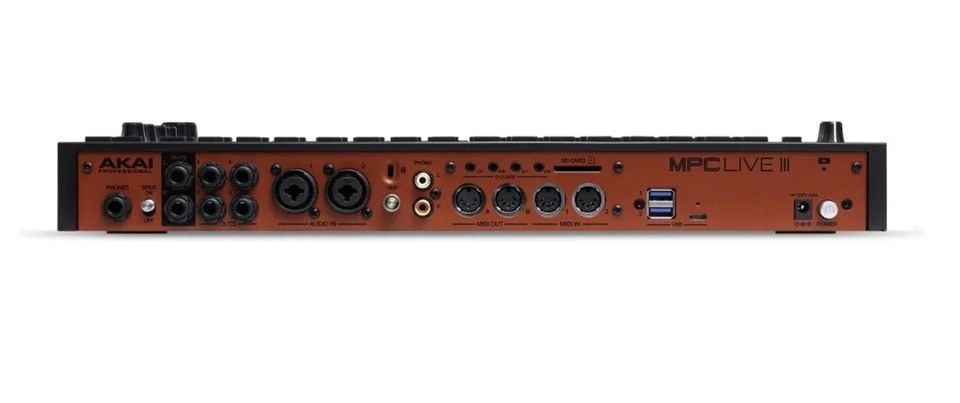
Or the EU now have a law that states all devices must contain a USB-C port, so any new device released will have USB-C regardless.
Yeah the MPC community is buzzing about this, because it’s got an upgraded processor in it.
8 Core processor (Gen 2) - 4 x the power of MPC Live II
64 bit vs 32 bit on older models

1 Like
1 Like
That teardown is awesome! The individual pads having 4 zones of velocity touch or X/Y control would be a game changer for DJ effects or stems control.
Metal shafts on the controls shows that inMusic has sourced better components.
Metal shafts were on the MPC long time ago. The knobs are touch sensitive. They could not be touch sensitive if they would have plastic shafts. My Akai Force and MPC One also has metal shafts on Q-link knobs.
I’m guessing Rockchip RK3588 or similar.
If so, looks like STEMS rendering on hardware is coming sooner than later.
The Rockchip RK3588 features on-chip AI processing capabilities through a dedicated Neural Processing Unit (NPU) with 6 TOPS of power, allowing it to run deep learning inference at the edge for applications like computer vision, robotics, and large language models (LLMs). This dedicated NPU reduces reliance on the GPU or cloud services
That is very interesting 
Not only for the stems but for the new features in general. Even automatic playlist suggestions, favourite tracks, mixing techniques and more. Think of it like the adaptive automatic gear box in the car - it learns your style of driving and adapts gear shifting accordingly. What if your dj set could learn how you mix and start following your style, adjusting song suggestions, pre-select settings or effects before time comes to use them, etc…
That’s the one I have been hoping for, it would be a massive upgrade from the 3288.
Personally, while the new fancy stuff coming with that is certainly neat, I am just more than happy to have lots of extra reserve for all the basics, like boot-up time, GUI responsiveness, track loading, analyzing of streaming tracks, overall stability due to extra and faster RAM.
Also, that leaked MPC 3 looks absolutely beastly. The 4-zone pads are a cool idea and would be a good response to the Push 3 with its MPE pads at the same time. (But I still love my modded OG Akai Force)
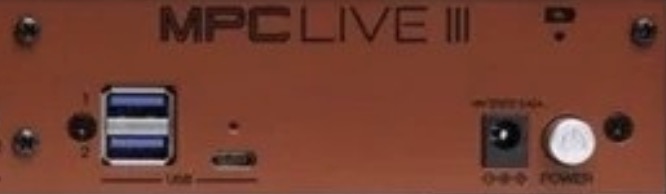
^
This is indeed how the main PCB looks on nearly all Denon, Numark and Akai units, with some slight variations (sometimes with a LAN-port, or less USB-ports like on the Go or One). The ventilation grills are also located in close proximity, as it houses the CPU as well. The icing on the cake would be a (redundant) PD functionality for that USB-C port, so instead of using that barrel plug, you could fallback to your 20W USB-C charger, for example.
I’m going to be a spoilsport again, but 6 tops of AI processing power seems relatively low for high-quality on-the-fly stem separation.
According to chatGPT
 TL;DR: No, an RK3588 (6 TOPS) won’t be enough to perform real-time stem separation at a quality comparable to VirtualDJ Stems 2.0.
However… it could be useful for lighter tasks or offline processing, depending on what compromises you’re willing to make.
 Detailed Analysis:
 1. Task: Stem Separation
-
This typically involves deep neural networks with many parameters.
-
Models like Spleeter, Demucs, or Hybrid Transformer-based architectures are very heavy (hundreds of MBs to several GBs, billions of ops per few seconds of audio).
-
They require:
-
Lots of RAM (usually >2–4 GB)
-
AI acceleration that supports complex layer types (Conv1D, LSTM, Transformers, etc.)
-
2. RK3588 (6 TOPS)
-
ARM SoC (Rockchip), 8-core CPU, and up to 6 TOPS NPU (typically in int8)
-
Great for classic CNNs (vision tasks, quick classification, etc.)
-
The NPU does not support all the complex layer types needed for advanced audio models
-
Shared memory and bandwidth are limited compared to desktop GPUs or PC hardware
-
Frameworks are also limited (e.g. RKNN, limited TFLite support)
3. Compared to VirtualDJ Stems 2.0
-
VirtualDJ uses a proprietary technology, but Stems 2.0 is known to run in real-time on modern PCs with GPU acceleration
-
It’s likely that they use a highly optimized model, but still too heavy for RK3588’s NPU
-
Real-time, high-quality separation requires:
-
Processing at 44.1/48 kHz
-
Latency under ~50 ms
-
Optimized yet powerful models
-
The RK3588 could handle light audio separation, but not at the quality level of something like Stems 2.0
4. What Can the RK3588 Actually Handle?
| Task Type | Feasible on RK3588? |
|---|---|
| Audio classification (genre, BPM) |  Yes Yes |
| Basic keyword spotting | Yes |
| Basic 2-stem separation (vocals + accompaniment) |  Maybe (offline, low quality) Maybe (offline, low quality) |
| 4–5 stem separation (real-time, high quality) |  No No |
Surely comparing it to Djay Pro’s real time stems is the most relevant discussion? given it can be done on a mobile device.