Hi guys. Gave you’ve seen it? HybridDJ created new standalone 4 deck device with Virtual DJ as OS?: D
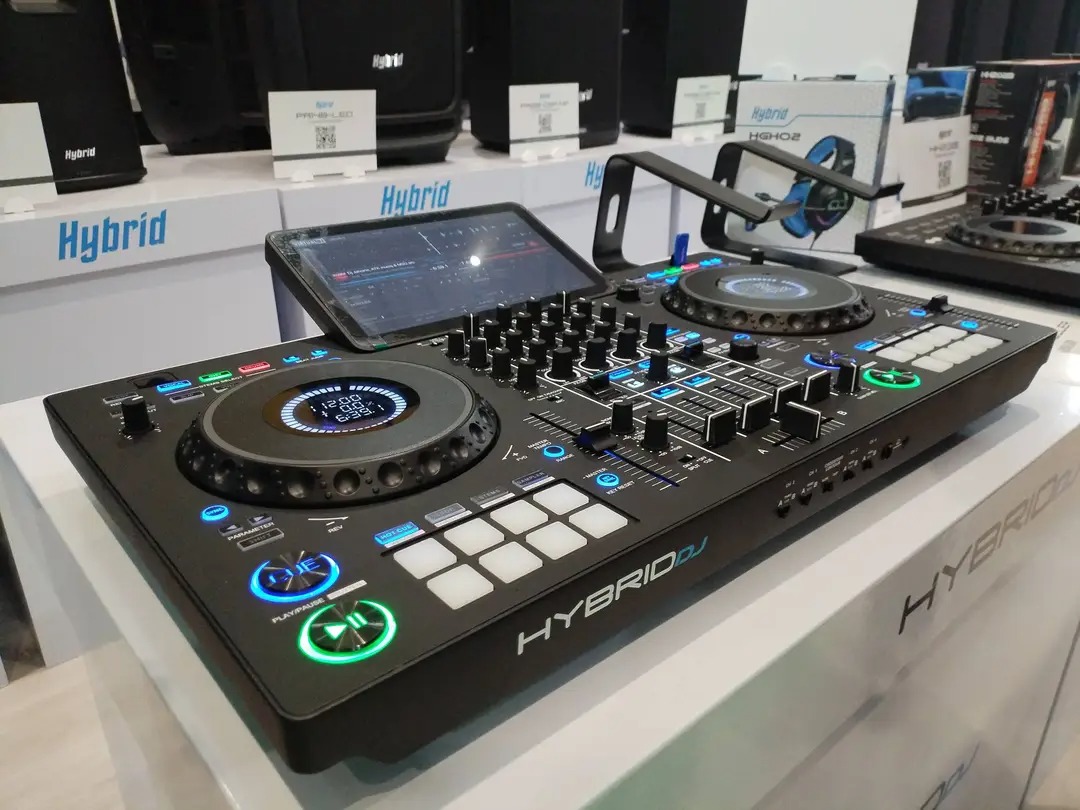
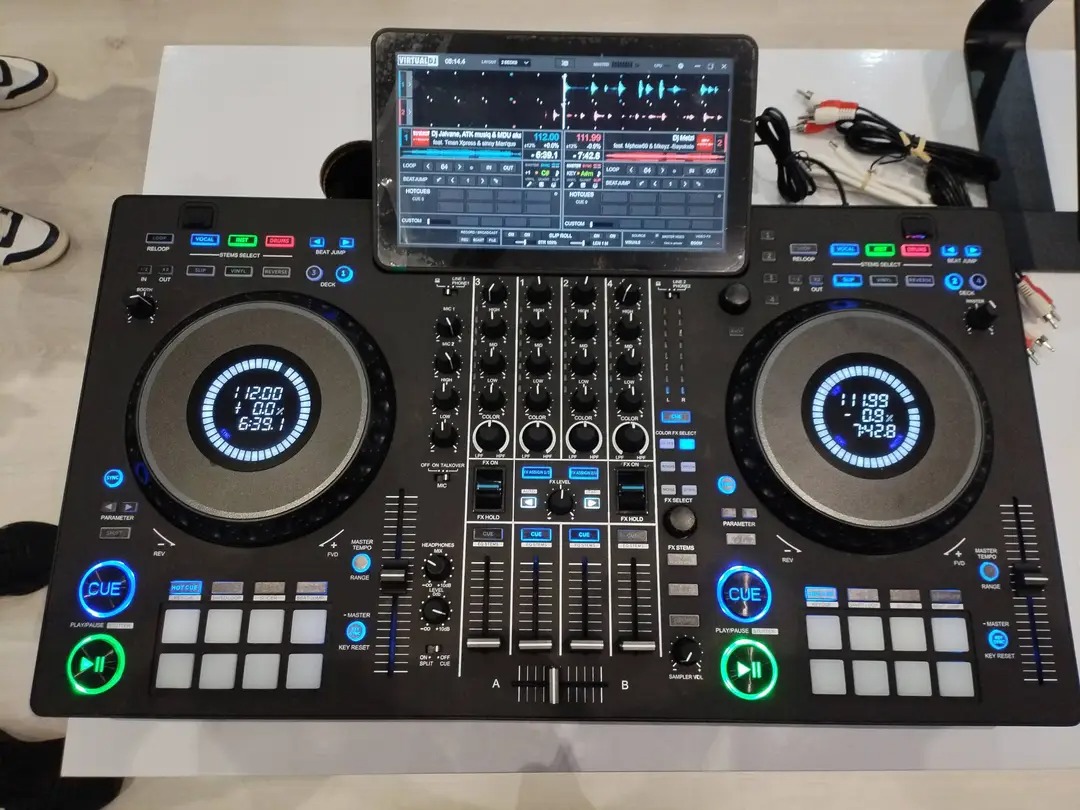
A bit late news, they showcased this like 3 months ago. It runs on a mini ITX board with old 3rd or 4th gen cpu and pirated windows and virtual dj - it’s a chinese oem imported to South Africa market.
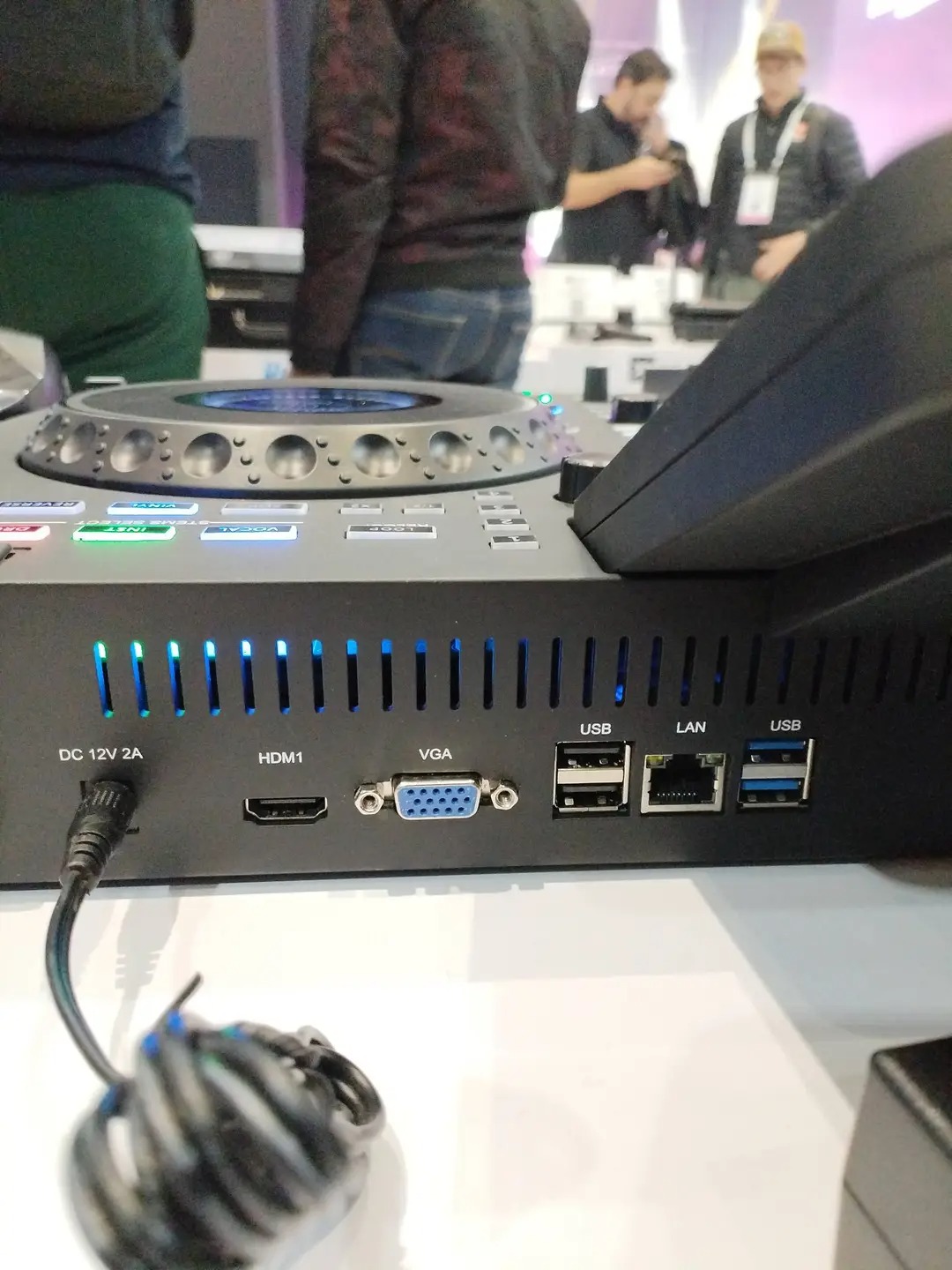
The great thing is that they included an HDMI port for video; when I do video mixing, however, I’m forced to bring my Mac and use Serato Video.
It’s not that they included it intentionally, they just left everything what they had on the industrial mini ITX board bought for $25, because it would cost more to remove it.
This looks like re-purposing the industrial motherboards for use, that is not intended, but maybe just works…
Anyway - another brand that is surpassing Ali Temu without breaking a bank 
You can clearly see it’s a prototype, but I find the concept itself really interesting, to be honest.
It demonstrates the ingenuity of Africans, who always manage to come up with low-cost DIY solutions.
I don’t know where you got the info on the internal hardware, but if it’s true, it’s likely more than enough to run Virtual DJ much more smoothly and responsively—providing more power than any current Rockchip chip could manage.
Virtual DJ relies heavily on GPU computing power, especially for heavy tasks like stem separation, track analysis, and so on. So, I’d be really curious to know which GPU they used in there—and, more importantly, how they managed to fit it into such a slim profile.
My old i7-4790K with 24GB of DDR3 and a GTX 1080 still runs Virtual DJ perfectly, handling maximum-quality stem separation at 18x speed. Needless to say, it literally blows a Prime 4 G2 out of the water in terms of processing speed.
That said, it’s clearly not the most efficient hardware when it comes to thermal management and power consumption.
The controls—buttons, faders, jog wheels—seem to be sourced from all over the place.
The jog wheels look like certain AT-style ones but feature screens comparable to those on the SC Live 4, while the pitch faders resemble the ones used by Denon DJ.
I also think the way they integrated the effect paddles into the mixer is pretty clever.
It’s a shame there’s no loop encoder, and the beat-jump buttons seem poorly placed, in my opinion.
The concept proves that with limited resources and a lot of ingenuity, you can outclass the industry’s biggest players with a product that likely costs a third of the price.
I work as R&D engineer in stage industry, I know these mother boards very well from older DMX controllers and other industrial equipment.
Just by looking at the ports on the back you can recognise the stuff, you played with back in the days… 
To give some context - this power port is embedded directly on the motherboard, screen can run off the LVDS socket on the board, GPU is integrated, Extra HDMI and VGA ports are coming from the same GPU and if shared RAM and GPU / BIOS combo allows, you might get a second monitor, or only one at the time. The distance between the power socket and HDMI was occupied by mouse / keyboard PS/2 ports on older version of this PCB.
I don’t say that this computer can’t run virtual dj, but it’s just a funny take on the things that we already did and tried back then. Now it comes to the market again as a integrated new product. Still I don’t agree on counterfeit software. Virtual Dj could take legal actions against them if they embed it without permission.
Here is a bit newer version of this board:
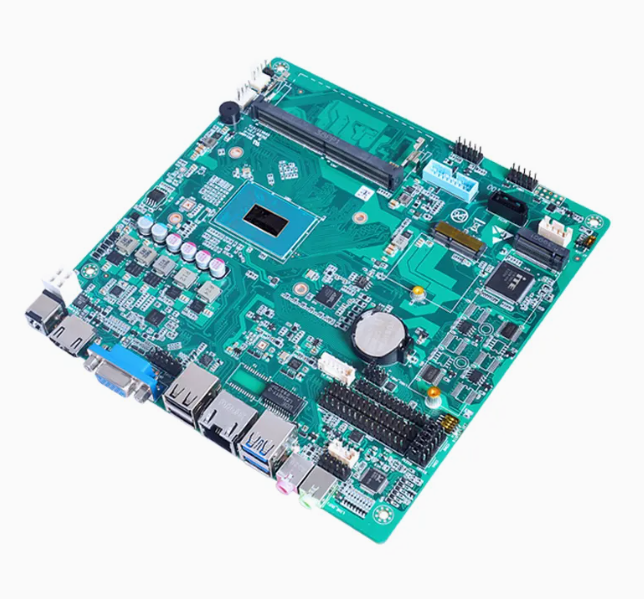
I don’t approve of using hacked software either—if that is indeed the case—and I agree with you on that point.
However, if the company included a legitimate Windows license and required you to log in using your own Virtual DJ user account, it could be an interesting device for anyone who already owns a Virtual DJ license.
The manufacturer could also negotiate bulk Windows license keys with Microsoft and arrange an official partnership with Virtual DJ.
Better yet, they could simply sell the product without an OS—since it is essentially just an embedded x86 PC—much like some laptop brands do.
That way, you would simply install your own version of Windows using your own license and your own legitimate copy of Virtual DJ.
If that would be the case, then we would definitely hear about it. This would be big news in the industry.
Thanks for the information about the motherboards. So, do you think they are using the processor’s integrated GPU (iGPU) or a separate GPU?
I don’t know if the video output works, but since VirtualDJ is handling the mixing, it might work anyway.
100% integrated. These boards don’t have a GPU port, so you are stuck with 2 options.
- GPU integrated in to CPU - typical industrial application on ITX base.
- GPU built in to the motherboard - more powerful in some cases, but not better than your office laptop Intel Iris - but could run 2 displays to full HD.
I wouldn’t count on sofisticated video mixing on this platform, it could get glitchy if it would work at all…
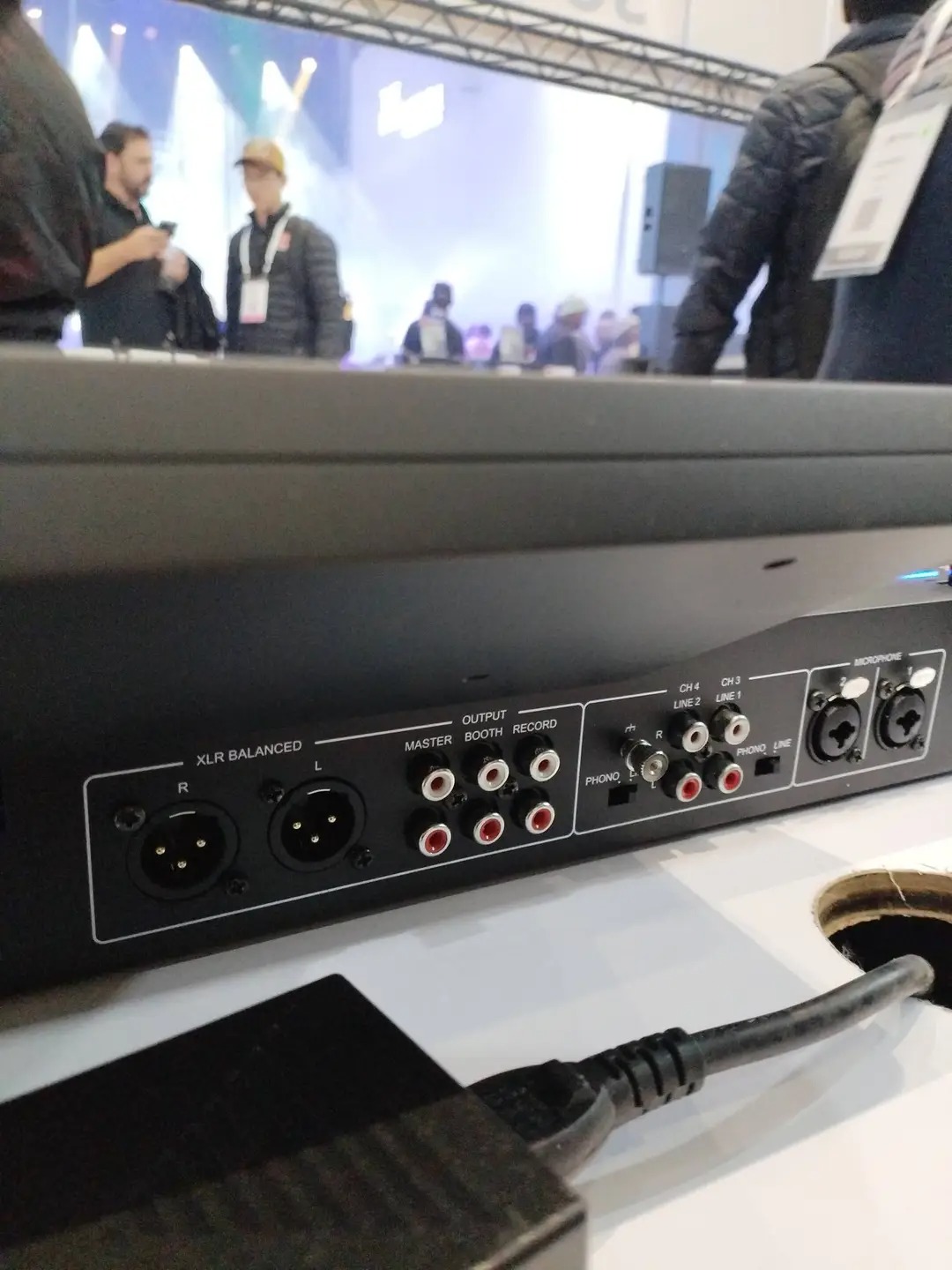
Hey @NoiseRiser , as the picture above, of the backplate is indicating that there are some extension(-boards) used.
To me it wouldn’t make much sense to put a RTX in such a device, but don’t have many of these boards PCIe lanes?
I’m waiting for my DSP to be delivered 

The question for more standalone devices like that HybridDJ-prototype is also raised in here:
Are Counterfeit CDJs Coming? - YouTube
Time will show 
P.S. Why does it have to be a ripped Windows, it could be also a proton-layer?
Counterfeit CDJ? DJ’s will do anything other than buy DenonDJ player 
His comment “other devices in that region” been amusing, sayin SC6000 without naming it
Yes, a custom soundcard with 6 inputs and 8 outputs. I really would like to take a look inside, I wouldn’t be surprised to find a basic AD chip like on most common consumer grade surrond sound cards.